

Moroccan ceramics are handmade pottery known for their organic shapes, vibrant glazes, and strong craft traditions. Tamegroute ceramics from southern Morocco, in particular, have become popular in Scandinavian homes because they add warmth, texture, and personality to a more minimalist Nordic interior.
What are Moroccan ceramics?
Moroccan ceramics encompass several different ceramic traditions from Morocco. Common to them is that they are often handmade, fired in small workshops, and shaped with clear traces of human hands and traditional techniques.
It is precisely this imperfect and lively expression that many fall in love with. No two bowls, dishes, or vases are exactly alike. The glazing varies, the shapes are organic, and small differences in color and texture are part of the charm.
I especially find that many choose Moroccan ceramics as a contrast to the more austere Scandinavian interior design. The ceramics add warmth, weight, and a more sensual expression to the home.
What is Tamegroute pottery?
Tamegroute pottery is one of the most well-known forms of Moroccan ceramics. It originates from the town of Tamegroute in southern Morocco and is particularly known for its characteristic green glaze.
The color varies from deep olive green to darker or almost golden hues, depending on the firing, minerals, and glaze. It is precisely these variations that make each individual object unique.
Tamegroute pottery is still produced in small workshops where many processes are carried out manually. Therefore, you will often find small irregularities, asymmetry, and variations in the surface. These are not flaws – they are part of the history and craftsmanship.
At Casa W, Tamegroute is one of the product categories that clearly supports the brand's focus on crafted objects and collected interiors.
Why Moroccan ceramics have become popular in Scandinavian homes
There is a clear movement towards more tactile materials and homes with personality. Many desire fewer, but more special objects that feel curated over time.
Moroccan ceramics fit naturally into this development. The combination of raw clay, vibrant glazing, and handmade forms creates a calm contrast to light walls, wood, linen, and natural materials.
The ceramics work well in modern homes, summer houses, and more classic interiors. Especially in the kitchen and dining area, a single dish or a large bowl can create warmth and atmosphere.
- Large bowls for lemons or salads
- Dishes as decorative objects on the dining table
- Candlesticks in green Tamegroute glaze
- Pots and bowls as still lifes on shelves
How to style Moroccan ceramics?
The biggest mistake many make is using too many elements at once. Moroccan ceramics work best when individual objects are given space.
I often use ceramics with:
- Linen textiles
- Dark wood
- Vintage rugs
- Natural stone and marble
- Soft earthy tones
It's not about creating a "theme." It's about adding warmth, depth, and objects that tell their own story to the home.
A single large platter can be enough to change the mood in a room.
Styling ideas for the kitchen and dining table
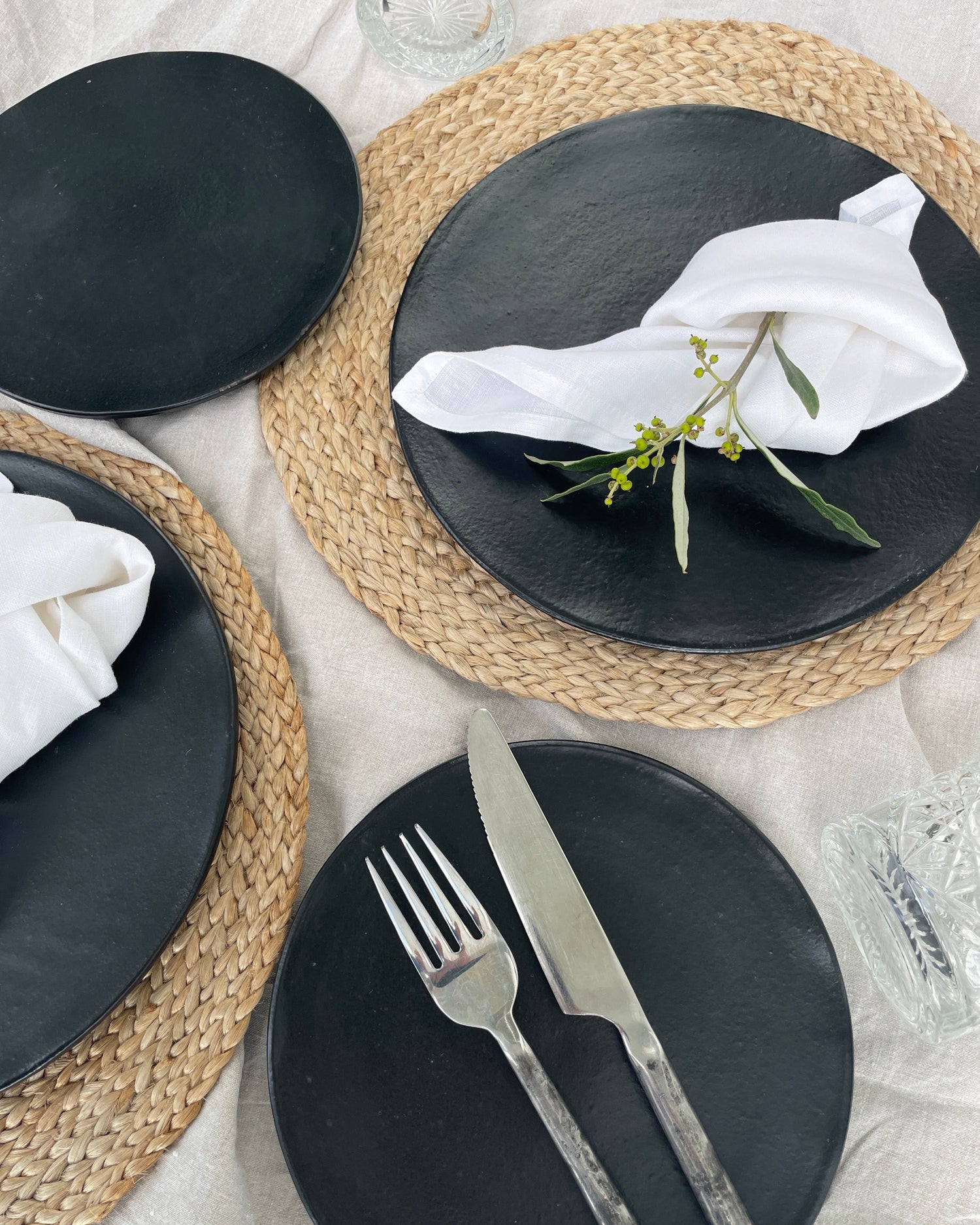
Use a large Tamegroute bowl with lemons or pomegranates as a centerpiece on the dining table. Combine with warm-toned candles and a tablecloth in natural materials.
You can also leave smaller bowls on open shelves with wooden utensils and cookbooks. This gives the kitchen a more lively and personal expression.
Styling ideas for the living room and summer house
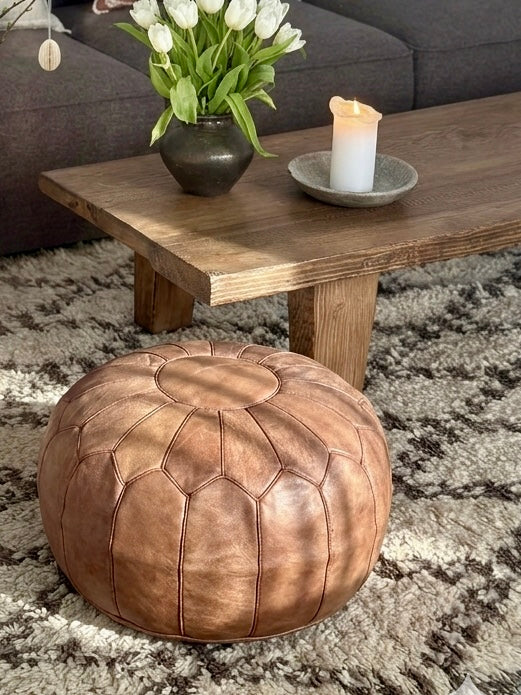
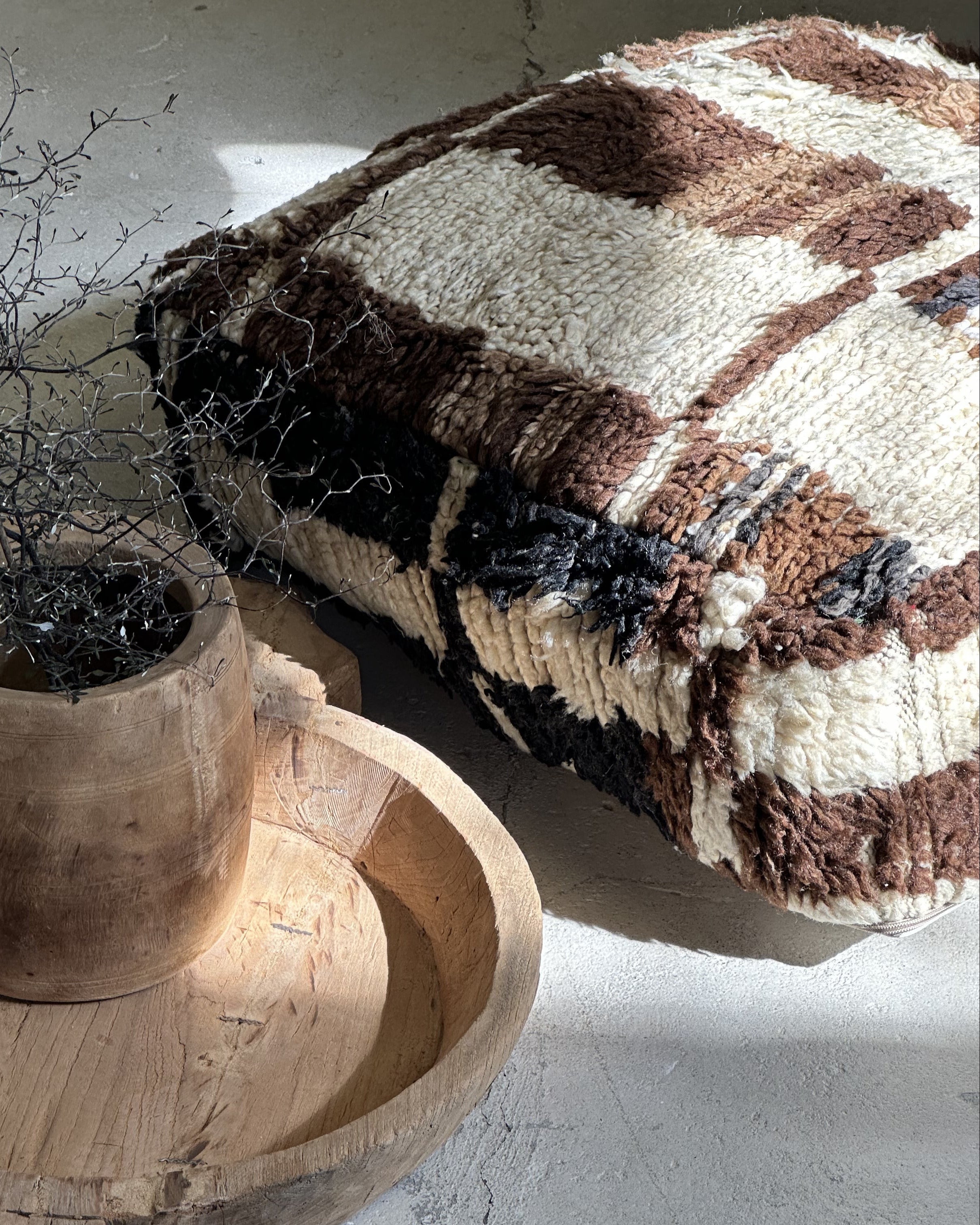
In the living room, Moroccan ceramics look great with textiles and vintage finds. Try combining ceramics with a vintage rug or cushions in cactus silk for a more sensual and calm look.
In summer houses, it works particularly well because the materials are allowed to be a little more relaxed and tactile.
How are Moroccan ceramics made?
Production varies from region to region, but much Moroccan pottery is still made using traditional techniques.
- The clay is shaped by hand or on a potter's wheel
- The pottery is dried in the sun
- The first firing is carried out
- Glaze is applied manually
- The pottery is fired again
The glazing is particularly interesting with Tamegroute pottery. The colors are affected by minerals, temperature, and oven conditions during firing. This is why the characteristic variations occur.
This also means that no two products will be completely identical.
Are Moroccan ceramics practical for everyday life?
Yes – but it depends on the type and how you use it.
Many use Moroccan bowls and dishes for serving, fruit, or decoration. Some types are best suited as decorative objects, while others work fine for daily use.
Since the ceramics are often handmade, I generally recommend:
- Handwashing rather than a dishwasher
- Avoiding large temperature differences
- Using felt pads under larger dishes and pots
- Accepting small variations and patina over time
It is precisely the lively surface and aging that many appreciate.
How to choose Moroccan ceramics
If you are new to this world, it can be difficult to choose. I often recommend starting with one larger object rather than many small ones.
| Type | Good for | Expression |
|---|---|---|
| Large bowls | Dining table and kitchen | Calm and decorative |
| Platters | Serving and styling | Rustic and warm |
| Candlesticks | Ambiance | Sensual and lively |
| Pots | Shelves and floor | Tactile and natural |
If you want a more classic Nordic look, green or dark shades often work best. If you want to create more contrast, you can combine the ceramics with vintage textiles and more raw materials.
My favorites from Casa W
At Casa W, we especially work with hand-picked products where materials and variations are allowed to be part of the expression.
If you want to explore the universe further, you can, among other things, see:
Several of these products are among Casa W's most popular products. :contentReference[oaicite:2]{index=2}
Frequently Asked Questions
What is the difference between Tamegroute and other Moroccan ceramics?
Tamegroute ceramics are particularly known for their yellow and green glazing and more rustic surface. Other Moroccan ceramics may have more detailed patterns or different colors.
Can Moroccan ceramics withstand water?
Yes, most types can be used for flowers, serving, or decoration. However, as the products are handmade, it is recommended to avoid harsh treatment and large temperature changes.
Are Moroccan ceramics handmade?
Yes, much Moroccan pottery is still made in small workshops using traditional techniques and manual glazing.
How do you clean Tamegroute ceramics?
I recommend handwashing with mild soap and a soft sponge. This helps preserve the glazing and surface for as long as possible.
Do Moroccan ceramics suit Nordic decor?
Yes, especially because the ceramics add warmth, texture, and personality to more simple and calm homes.



Leave a comment
This site is protected by hCaptcha and the hCaptcha Privacy Policy and Terms of Service apply.